Technology, Literacy, Creativity
Welcome! I’m Christopher Bergeron—an instructional designer, university program director, children’s book author, and full-time liveaboard sailor. This site is a hub for everything I do: from innovative online education and creative storytelling to salty tales from life aboard a sailboat.
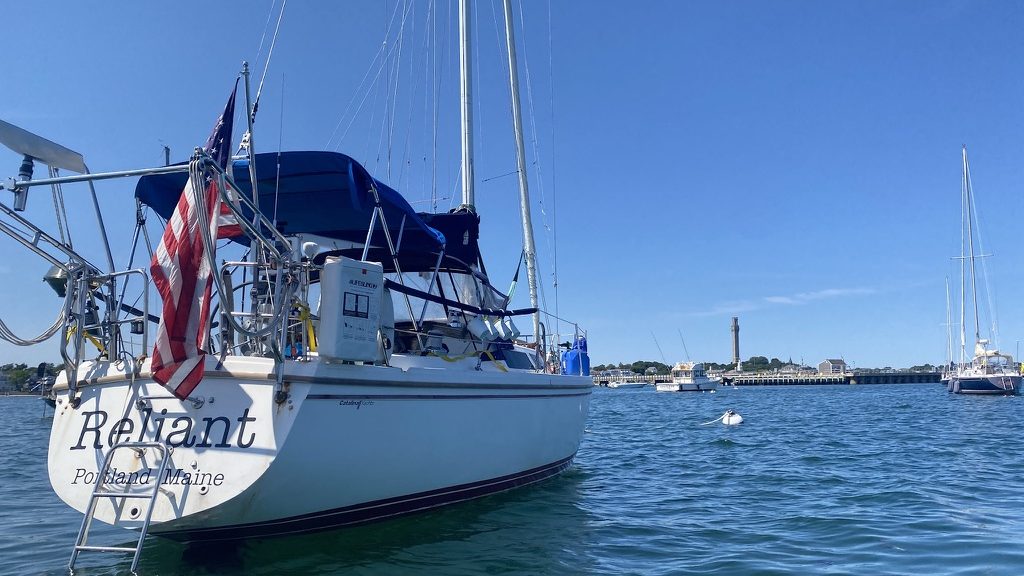
“Sailing Through Learning, Creativity & Adventure”
…
Creativity & Children’s Books

As the author and illustrator behind the “Adventures of Captain Apollo,” I’m exploring the wild world of creativity, storytelling, and art.
Instructional Design & Teaching
I lead graduate and undergraduate programs in instructional design and hospitality management at Bellevue University. My focus is on creating meaningful, accessible learning experiences in distance education.
Life Aboard a Sailboat

I live full-time on a 34-foot sailboat, navigating the East Coast with my sons and our cat, Apollo. From maintenance to minimalist living, I share my journey at FromTheGalley.com
Distance Learning & EdTech
I’ve spent years shaping engaging online courses and leading program redesigns at the graduate and undergraduate levels. With a doctorate in instructional technolgoy and distance education it’s a real passion that I share here.
Newsletters & Writing
I write monthly newsletters for each of my projects—thoughtful reflections on teaching, sailing, and creativity. Sign up for the ones that match your interests or browse past editions.
Living Intentionally

Whether designing a course, parenting aboard a boat, or writing by lantern light, my goal is the same: to live and work with intention. I share thoughts on minimalism, purpose, and navigating uncertainty.
Watch, Read, Listen
-
Don’t cut off limbs
As we explore the concepts and composition advice from photography that can help us in instructional design one less known one is the advice to not “cut off limbs” of photography subjects. The idea is to give context and not confuse the perspective of the viewer. An important visual concept to remember as we place…
-
Fill the frame
As we explore some of the important things we can pull from photography to enhance our instructional design another tip from photography that can help with instructional design is the idea to “fill the frame” with your subject. This, of course, works visually as you should focus on your subject to direct attention and remove…
-
180-degree rule
As we continue to explore the ways we can gain insight from photography and video for use in instructional design I wanted to share the 180-degree rule. The easiest way I have been able to visualize this rule is to imagine a traditional stage for live theater. The actors can come right up to the…
-
Rule of thirds
I was at a photography exhibit the other day and was reminded about how many of the concepts of good photography directly impact instructional design. Not only because photography is used in instructional design but because of the very often very visual nature of our work. While it is possible to have 100% life instruction…
-
My Personal Conference List
With all of the “cool kids” at DevLearn this week I wanted to take a moment to share my personal list of conferences in the area of Instructional Technology, Instructional Design, Distance Education and the like. The list has a good dose of K12, Higher Ed, and Industry so feel free to take a look.…
-
How the TPACK model can help articulate what an Instructional Designer brings to the table.
The TPACK model is extremely valuable for Instructional Designers. It offers an excellent way to articulate what we bring to the table regarding education and training. And it can help shed some light on how the role of the ID can shift in different circumstances. The TPACK model represents a ven diagram of Technology knowledge,…
-
Helping your story resonate by keeping it relatable.
There are several elements in storytelling that are important to consider when trying to make your story relatable with your learners. Conflict: Keep your conflict realistic, if your learners can’t see themselves ever needing to rise to a similar challenge your story will seem out of touch. Characters: Your learners will need to see themselves…
-
How to Create an Effective Story for Instruction
Today I have three solid tips to help you create a more effective story for instructional purposes. 1. Analyze the content: Telling a good story means having a good story to tell and having a package that is most compatible with the content. You can use anecdotes, historical narratives, case studies, scenarios, or even a…
-
Connecting the six elements of storytelling to instructional design.
There are six elements of storytelling and they tie quite well into instructional design, which is probably why storytelling is such an effective instructional technique. 1. Setting: Where does the story take place? Often in our learner’s performance context. 2. Characters: Our learner, or a surrogate, should most often be the main character. 3. Plot.…
-
How to leverage The Hero’s Journey in Instructional Design Steps 10 through 12
As we consider how much the learner’s journey and the hero’s journey overlap (which makes sense because our learners are the hero of our stories), how can we as instructional designers leverage what the hero’s journey can tell us to better help our learners. Today I want to share how we can apply the three…
subscribe for updates
Stay in the loop with everything you need to know.
 Christopher Bergeron